
Artisan Keycaps Profiles Explained: SA, DOM, Cherry, and OEM
Jul
The Importance of Keycap Profiles
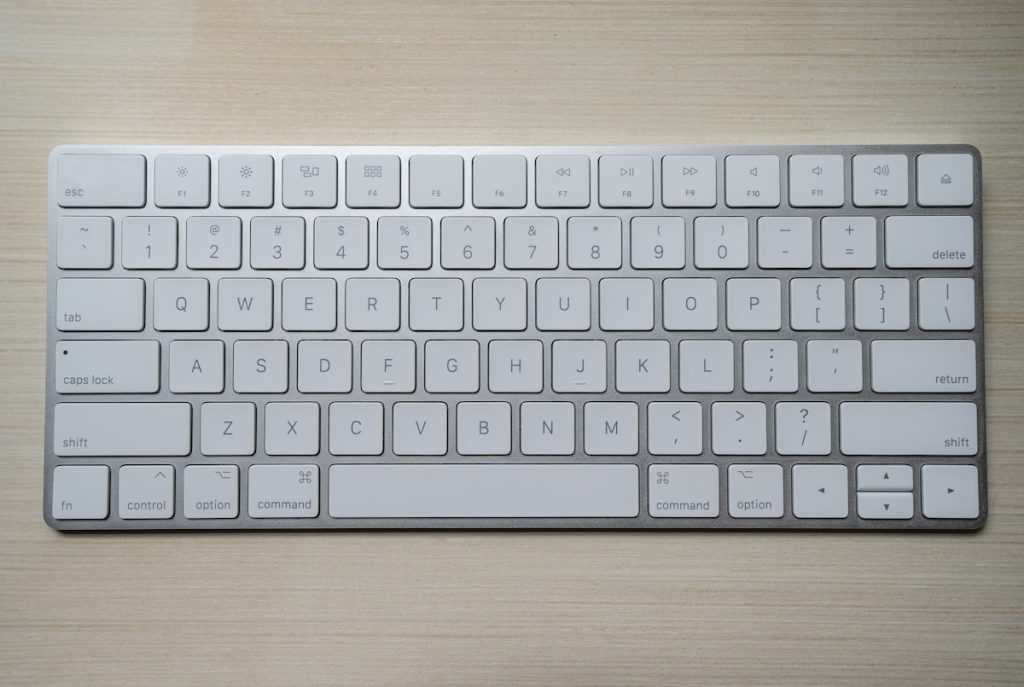
When diving into the world of custom mechanical keyboards, you will quickly discover that keycaps are not all shaped the same. The shape, height, and slope of a keycap are referred to as its “profile.” Different profiles are designed for different purposes—some optimize typing speed, some reduce wrist fatigue, and others maximize the space available for visual designs. When choosing an artisan keycap to decorate your board, understanding these profiles is essential to ensure it matches the look, feel, and typing height of your existing keycaps. In this article, we will break down the most popular keycap profiles in the mechanical keyboard community.
1. Cherry Profile: The Collector’s Standard
The Cherry profile is widely considered the gold standard for custom keycaps. Named after the legendary Cherry switch manufacturer, this profile is sculpted, meaning that keys in different rows have different heights and angles to match the natural motion of your fingers as they type. Cherry profile keycaps are relatively low-height, which reduces wrist strain and allows for comfortable typing without a wrist rest. Artisan keycaps made in the Cherry profile are highly sought after because they match the majority of premium keycap sets, ensuring a seamless, flush look on custom builds.
2. OEM Profile: The Standard Retail Profile
OEM (Original Equipment Manufacturer) profile is similar to Cherry profile in its sculpted design, but it is slightly taller and features more pronounced angles. This is the profile found on almost all pre-built gaming keyboards from brands like Corsair, Razer, and Logitech. If you are upgrading a standard retail keyboard and want your artisan keycap to blend in perfectly with your factory keys, choosing an OEM profile is your safest option. It provides a comfortable, familiar typing feel that gamers and office workers have used for decades.
3. SA Profile: High-Profile Retro Aesthetics
SA profile keycaps are famous for their tall height, spherical tops, and classic retro look reminiscent of 1970s terminal keyboards. Because they are so tall, they produce a deep, satisfying “thock” sound when typing. However, their height can cause wrist strain if used without a wrist rest. For artisan keycap makers, SA is an incredibly popular profile. The extra height and volume of an SA keycap provide a larger resin canvas, allowing artists to encapsulate detailed miniature landscapes, complex koi ponds, or taller figurines that would not fit inside a lower Cherry-profile keycap.
4. DOM Profile: The Glass Sphere Look
DOM (Double-shot Dome or rounded profile) keycaps feature a smooth, completely rounded top resembling a magnifying glass or a crystal ball. This profile is designed specifically for artisan keycaps. Because the top of the key is a smooth, transparent dome, it eliminates the corners and angles that can distort the view of the miniature scene inside. When you look down at a DOM artisan keycap, the rounded top acts as a lens, magnifying the details of the miniature fish, character, or landscape inside, making it the ultimate profile for showcasing detailed visual artwork.
Conclusion: Finding the Right Match for Your Board
Choosing the right profile for your artisan keycap depends on where you plan to place it and what profile your keyboard currently uses. If you want the keycap to blend in with your daily typing keys, match it exactly to your keyboard’s profile (typically Cherry or OEM). However, if you are placing the artisan on a rarely used key like Escape or Print Screen, feel free to choose a taller, more eye-catching profile like SA or DOM to maximize the visual impact and showcase the craftsmanship of the artist. Whichever profile you choose, an artisan keycap is a beautiful way to make your mechanical keyboard uniquely yours.
- Why Anime-Themed Resin Lamps Are a Hit Among Modern Collectors
- The Magical Process of Crafting Miniature Ocean Resin Lamps
- Unique Gift Ideas for Gamers: Moving Beyond Standard Peripherals
- Transforming Your Workspace: The Power of Custom Desk Decor
- Artisan Keycaps Profiles Explained: SA, DOM, Cherry, and OEM
Bài viết cùng chủ đề:
-

Transforming Your Workspace: The Power of Custom Desk Decor
-

Resin Anniversary Gifts: Why Handmade Presents Mean So Much More
-

The Magical Process of Crafting Miniature Ocean Resin Lamps
-
The Ultimate Guide to Choosing the Perfect Epoxy Resin Lamp
-
Why Artisan Keycaps Are the Perfect Upgrade for Mechanical Keyboards
-
Resin Wrist Rests: Elevating Desk Ergonomics with Stunning Aesthetics
-

How to Properly Clean and Maintain Your Handmade Resin Art
-
Why Anime-Themed Resin Lamps Are a Hit Among Modern Collectors
-
Unique Gift Ideas for Gamers: Moving Beyond Standard Peripherals